We are currently in Stage 3 of the Metro Vancouver Watering Restrictions, which came into effect on June 8, 2026.
Metro Vancouver Water Restrictions: Stage 3
Metro Vancouver (MV) has implemented water restrictions in response to significant water supply and infrastructure challenges affecting the regional system. This year's snowpack is approximately 22% of normal, creating uncertainty about reservoir recharge later in the season. At the same time, capacity has been reduced by the Stanley Park Water Supply Tunnel project, with the First Narrows Crossing currently out of service.
Metro Vancouver maintains that non-essential outdoor water use can affect system capacity for emergency response and firefighting during peak demand. BCLNA's position is that living landscapes are essential infrastructure and that responsible, efficient watering supports both member operations and important environmental outcomes.
Key Messages for Water Conservation & Environmental Health
- Water conservation is a shared responsibility. Residents, businesses, and institutions all have a role to play in using water wisely, both indoors and outdoors.
- Smarter water management can achieve greater conservation outcomes. Modern irrigation technologies and evidence-based practices can reduce water use more effectively and more efficiently over the season than temporary restrictions alone.
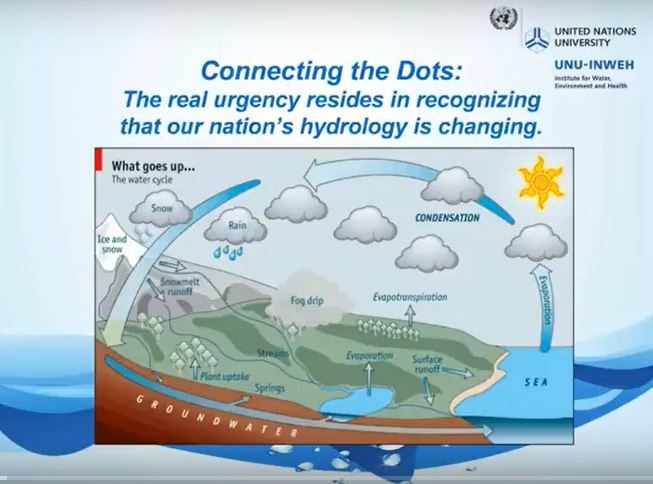
- Healthy landscapes are part of the climate solution. Trees, shrubs, and other vegetation cool communities by providing shade and through evapotranspiration, helping reduce urban heat and improving livability.
- Smart irrigation technologies deliver immediate water savings. Weather-based controllers, soil moisture sensors, and other advanced irrigation tools can significantly reduce outdoor water use at the property level.
- Policies should support efficient water use, not just reduced water use. Encouraging innovation and the adoption of water-saving technologies can achieve conservation objectives while preserving the environmental, economic, and social benefits of healthy landscapes.
Learn more about the environmental benefits of trees and vegetation:
U.S. EPA – Benefits of Trees and Vegetation
Help Shape BCLNA's Water Advocacy
Water restrictions continue to have significant impacts on BC's landscape and nursery industry. While we fully support responsible water conservation, current restrictions are creating unintended consequences for businesses, municipalities, and homeowners by limiting the ability to establish and maintain the living landscapes that help cool our communities, improve air quality, reduce stormwater runoff, and build climate resilience.
BCLNA is actively advocating with Metro Vancouver, municipalities, and the Provincial Government for practical, balanced solutions that conserve water while protecting essential living green infrastructure. To support these efforts, we need current, real-world information from our members.
We Need Your Input
If water restrictions have affected your business this season, please take a few minutes to complete our Water Restriction Impact Survey.
Your responses will help us:
- Quantify the economic impact on our industry.
- Identify how restrictions are affecting different sectors and regions.
- Demonstrate the need for practical exemptions and long-term policy improvements.
- Support discussions with governments and utilities using credible industry data.
Survey closes July 22, 2026.
Complete the Water Restriction Impact Survey →
For full Metro Vancouver water restriction details:
Metro Vancouver Water Restrictions